
Why Managed Farmlands Are the Next Big Thing in Indian Real Estate
Introduction: Farming, Reimagined for the Urban Indian
As India urbanizes rapidly, there’s a growing desire among city dwellers to reconnect with nature without quitting their jobs or moving to the countryside. Enter managed farmlands, an innovative, hassle-free way to own agricultural land, enjoy passive income and contribute to sustainable living. Whether you’re looking for a weekend retreat, a long-term investment, or a way to be part of India’s green economy, managed farmlands are increasingly becoming the answer.
Platforms like Farmland Bazaar are making this transition even easier by offering curated listings, verified land options and end-to-end support for both sellers and buyers.
What Are Managed Farmlands?
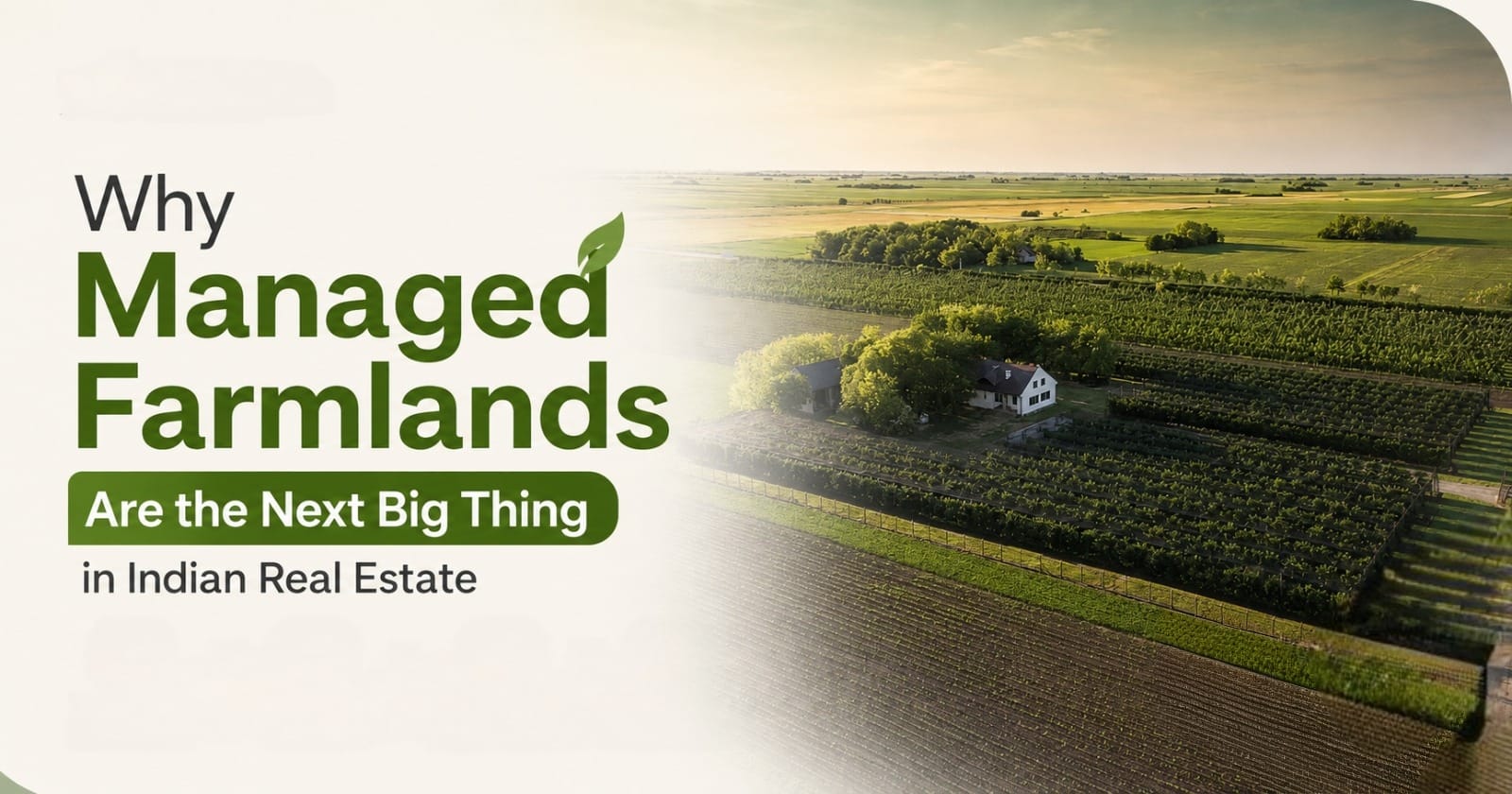
Managed farmlands are agricultural lands owned by individuals but professionally operated by agribusiness or farm management companies. These companies handle all farming activities, from soil testing and crop planning to irrigation and harvest, while landowners enjoy a share of the profits or produce.
In India, where fragmented landholding and a lack of know-how have often deterred urban investors from farming, this model bridges the gap. It combines land ownership with professional farm management, creating a win-win scenario for both the landowner and the rural economy.
Why Are Managed Farmlands Gaining Popularity in India?
Several factors are driving the rise of managed farmlands across India:
● Urban Disconnection from Nature: City dwellers crave green spaces and are increasingly seeking land as a means to detox from concrete jungles.
● Investment Diversification: Farmland is seen as a stable, inflation-hedged asset, attracting HNIs and first-time investors alike.
● Government Support: Policies supporting agroforestry, organic farming and rural entrepreneurship have made farmland a more appealing asset.
● Tech-Enabled Farming: From drip irrigation to AI-based crop monitoring, managed farmland operators use modern tools for efficient yields.
● Eco-Conscious Lifestyles: Owning green land aligns with growing interest in sustainable and environmentally friendly living.
Choosing Your Patch of Green: Tips for Picking the Right Managed Farmland
Selecting a managed farmland project is more than just picking a plot. Key factors to evaluate include:
1. Location & Accessibility: Ensure the farmland is within a reasonable distance from a major city or town, with all-weather road access.
2. Legal Due Diligence: Check for clear land titles, conversion status (agricultural vs. non-agricultural) and documentation.
3. Management Team Credibility: Evaluate the experience, transparency and farming track record of the management company.
4. Crop Planning & Yield Models: Understand what crops are grown, the sustainability of the model and expected returns (both in produce and cash).
5. Ownership vs. Lease Models: Some projects offer fractional ownership; others are pure lease-based. Know what you’re signing up for.
6. Community & Amenities: Many projects offer weekend homes, clubhouse facilities, or eco-tourism options.
Sustainability and the Environmental Impact of Managed Farmlands
Managed farmlands aren’t just profitable, they’re also good for the environment. Here’s how:
● Soil Regeneration: Use of organic farming and crop rotation helps restore soil fertility.
● Water Conservation: Techniques like rainwater harvesting and drip irrigation are commonly implemented.
● Agroforestry Models: Many projects combine agriculture with tree plantation, enhancing biodiversity and carbon sequestration.
● Reduced Carbon Footprint: Localized farming reduces transport emissions and food miles.
● Climate Resilience: Modern techniques increase adaptability to droughts, flood and unpredictable weather patterns.
As India battles environmental degradation and climate change, managed farmlands offer a regenerative, sustainable approach to land use.
How to Get Started with Managed Farmland Investment?
Ready to invest in managed farmland? Here’s how to start:
1. Research Thoroughly: Read up on companies, visit farms and talk to existing landowners. To simplify this step, platforms like Farmland Bazaar offer a curated marketplace of verified farmland listings, user reviews and expert insights, making research faster and more reliable.
2. Set Your Objectives: Decide if you want steady returns, a weekend retreat, or a legacy asset.
3. Budget & Finance: Understand pricing structures, maintenance fees and ROI projections.
4. Legal Vetting: Consult a lawyer to verify land titles, zoning regulations and sale agreements.
5. Visit the Site: Nothing beats a physical inspection. Walk the land, inspect facilities and meet the team.
6. Understand the Agreement: Get clarity on ownership rights, management roles, exit options and profit-sharing terms.
Conclusion: Growing Wealth, the Green Way
Managed farmlands in India offer more than just financial returns; they provide purpose, sustainability and a personal connection to the land. With platforms like Farmland Bazaar simplifying the process, owning a piece of India’s green future is now within reach for more people than ever.
Written by Farmland Bazaar Team
Agricultural assets advisor contributing to Farmland Bazaar v2. Focusing on organic investments, soil analysis reports, and deed checks.